



Karjat in the Monsoon: The Best Time to See It, and the Smartest Time to Inspect a Home
The rains came early this year. The southwest monsoon reached Mumbai on the 26th of May, the earliest it has arrived in seventy-five years and a good two weeks ahead of its usual mid-June date. Which means Karjat is already doing the thing it does better than almost anywhere else within driving distance of the city.
If you have only ever seen Karjat in the dry months, you have not really seen it. And if you are thinking of buying here, the monsoon is the season we would most want you to visit, for two completely different reasons. One is that it is when Karjat is at its most beautiful. The other is that it is when a property tells you the truth about itself. We will take both honestly.
Why the rains are Karjat’s best argument
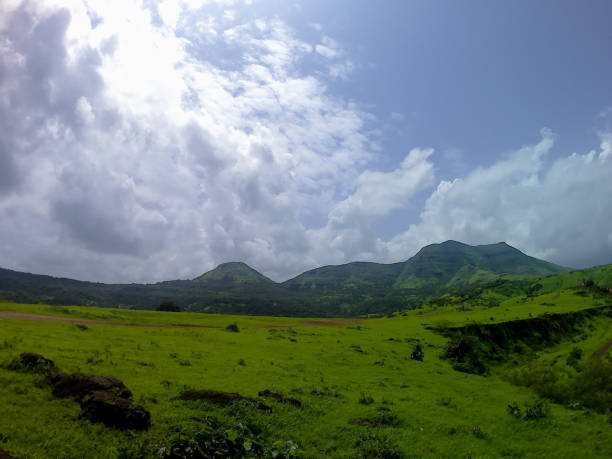
There is a reason Karjat has been a monsoon destination for Mumbai and Pune long before anyone was selling homes here. When the rain comes, the brown hills turn a green that is hard to describe to someone who has not stood in front of it. Streams that were dry beds in April start running. The waterfalls come alive. The air changes completely, cool and clean in a way the city simply does not offer in June.
For a weekend visitor that is a lovely day out. For someone who owns a home here, it is something better. It is waking up to mist sitting in the valley, working through an afternoon with rain on the windows and no traffic to fight, and watching a landscape change week by week through the season rather than glimpsing it once and driving back. The thing people are really buying in Karjat is space and surroundings, and the monsoon is when those surroundings are most worth having. (We have written separately about what daily life here actually looks like beyond the postcard, if that is the question on your mind.)
So that is the romance, and we mean every word of it. Now the part most developers would rather you skipped.
Why the monsoon is also when you should inspect
Dry weather flatters everything. A site looks its best under a clear sky, the approach roads are easy, and any weakness in how a building handles water stays politely hidden. The monsoon removes all of that cover. Heavy rain is the most honest inspector a property will ever face, and it works for free.
This is exactly why we would rather you came in the rain than on a dry weekend. A developer who only wants you to visit in fair weather is, intentionally or not, showing you the version of the property that hides the most. We would rather you saw the harder version and asked the harder questions.
What to actually check when you visit in the rain
Here is the practical list, and it applies to any property you look at in Karjat or anywhere with a real monsoon, not only ours.
Start with the approach. Drive in during or just after heavy rain and see what the access roads are actually like. Do they hold water, do they stay passable, how long does the last stretch to the site take when it is pouring rather than dry. Connectivity that works in March and fails in July is not connectivity you can live with.
Look at where the water goes on the site itself. Land has a natural slope, and water always finds the low point. Stand on the plot in the rain and see whether it drains away or pools. A site that sheds water cleanly is worth far more than one that needs constant fighting to keep dry, and you can only see the difference when it is raining.
Inspect the building for how it manages water, not just how it looks. Check ceilings and walls, especially at junctions and corners, for any sign of seepage or damp. Ask directly about the waterproofing, on the terrace, in the bathrooms, around the windows. In a heavy-monsoon region this is not a detail, it is one of the things that most decides whether you enjoy the home or quietly resent it five years in.
Pay attention to ventilation and light inside the units. Monsoon months are when poor ventilation turns into damp, musty rooms and the slow problems that follow. A home that breathes well in the rain is a home that stays healthy.
And notice the small things that reveal care. Where the rainwater pipes drain to. Whether common areas flood. How the drainage around the building is laid out. These are the quiet decisions that separate a building put up to be sold from one built to be lived in, and the monsoon is when they show.
The honest part about living here in the rain
We are not going to tell you the monsoon is all mist and waterfalls with no trade-offs, because that would be the same dishonesty we just warned you about.
Heavy rain in a hill region is real. There are days the rain is relentless. A home that is well sited and well built handles this comfortably, which is the whole point of inspecting properly before you buy. But you should go in understanding that you are choosing a place with a genuine monsoon, not a city balcony where the rain is something you watch from inside double glazing. For the right person that is exactly the appeal. For someone who wants the green hills without any of the weather that creates them, it is worth being honest that the two come together.
The people who are happiest owning in Karjat are the ones who wanted the real thing, weather included, and who chose a home built to stand up to it. That second part is in your control, and the monsoon is the season that lets you check it.
Come and see it in the rain
Our standing invitation, and we mean it, is to visit Karjat in the monsoon rather than waiting for a dry, easy day. Walk the site when it is wet. Ask the awkward questions about drainage and waterproofing and access. Watch how things actually behave when the sky opens.
If a home holds up to that scrutiny, you can buy it with real confidence rather than fair-weather optimism. And being small enough that you can ask all of this directly to the people who built the project, standing on site in the rain, instead of a sales desk reading from a script, is the part of how we work that we are most happy to be judged on.